Featured

About Me!

About me

Most people say that it is the intellect which makes a great scientist. They are wrong: it is character.

— Albert Einstein.

Who am I?

I am “ the blogger”… Welcome to my blog! My name is Alishba Jamal and I am a current student of tvoILC.I am 14 years old and I love science and anything to do with it except cutting open a frog! This is my first blog and I guess I’m off to a good start… maybe. I will be providing you with information on what I’m learning in science in a fun way… not the brain torturing way! Trust me if you love getting deeper into science asking for more information then you’re at the right place! But if you don’t then you’re still at the right place… you know why? Because I am a student too and I like making things fun so I guarantee you’ll enjoy this!

How does science impact my everyday life? 

Science is a really important part of our life, pretty much all the details behind a certain concept revolve around science. So many different and interesting aspects of science to discover. Science is all around us! Look around you, did you find like 13 examples! Science covers and sustains everything most of the things around us. It solves many problems from basic human needs to big global issues and requires a lot of knowledge from us. Science helps in our health issues, sustainability,life of animals, plants and other organisms. Science has a strong effect on all of us, we are all dependent on its resources. Like for example a “phone”.

Would you choose a career in science? Why?

Yes, I would choose a career in science my goal in life is to become someone big in both religion and the world. I am aiming to have a nice status in the medical field which is a really big branch of science! I am mainly willing to help out, help those in need and spread my knowledge always being there for people.
Blog post#2

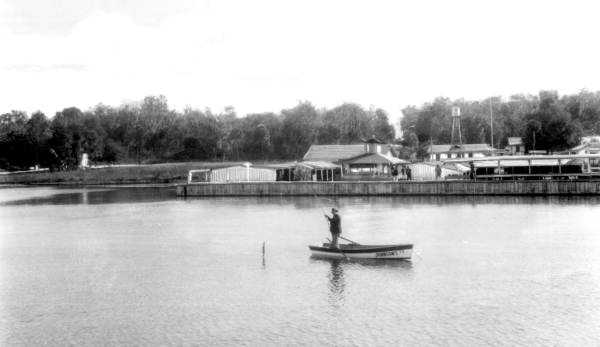
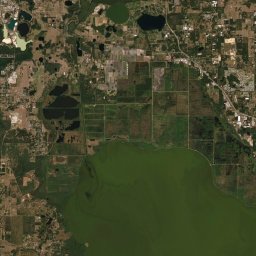
Lake Apopka which is located in central Florida,US was a beautiful lake with a very healthy and sustainable ecosystem. It was once famous for its bass-fishing, with more than 20 fish camps along its shore. It was then immensely contaminated by pesticides due to agriculture operations for decades. The biotic factors that called Lake Apopka home were many different species of birds such as cranes, owls, swans, pigeons, doves, geese and woodpeckers. It was home to alligators, and fish too. Due to contaminants this lake became an unhealthy, unsustainable ecosystem. The excessive nutrients that it was consuming caused an algae bloom which resulted reduction of oxygen in the water. This had a big impact on the biotic factors, the fish began to die, it was no longer a safe place for the birds where a large amount of them died, and the alligator population decreased dramatically. The abiotic factors of Lake Apopka were clean water, soil, temperature and the sun. After being filled with all sorts of chemicals for many decades the water had a very unpleasant water quality. The rich soil was also effected due to the farming.

In pictures: Apopka from 1890 to 2014
Before
After

Alishba Jamal

sources: https://fleetfarming.org/the-history-of-agriculture-on-lake-apopka-birds-alligators-farm-workers/

: https://lakeapopkawildlife.us/birds/

:https://www.wuft.org/specials/water/lake-apopka-cautionary-tale/

Blog post # 1

The environmental issue I have chosen to talk about is the current problem with pesticides contaminating our freshwater sources.

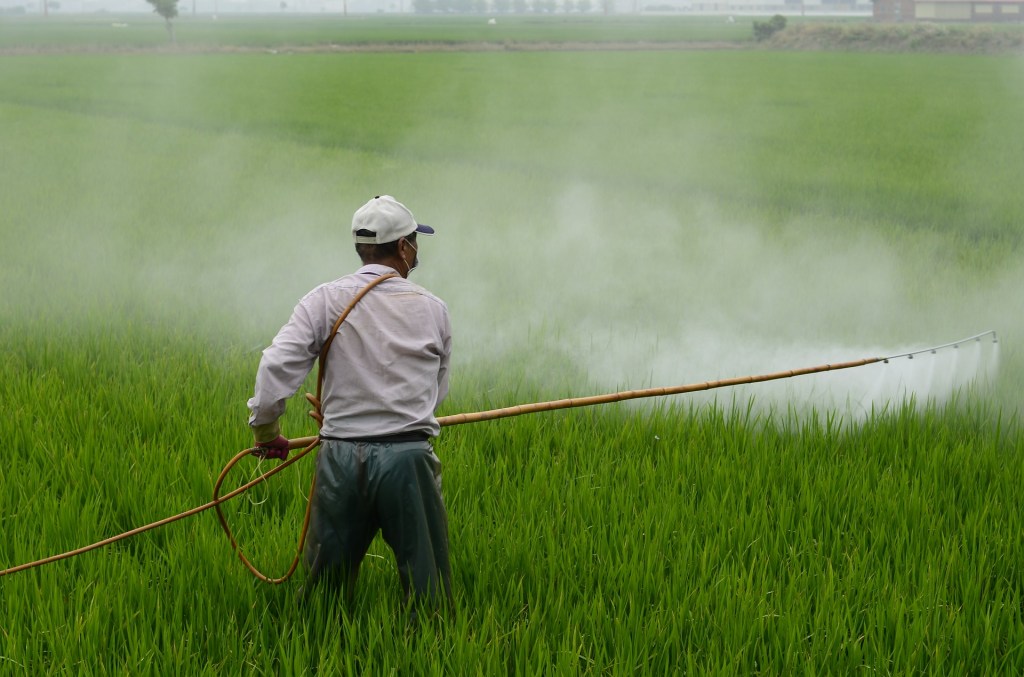
Pesticides are mainly used in farming and agriculture. The main issue is that they leak into the ground to lakes and oceans.

Man irragating the crops

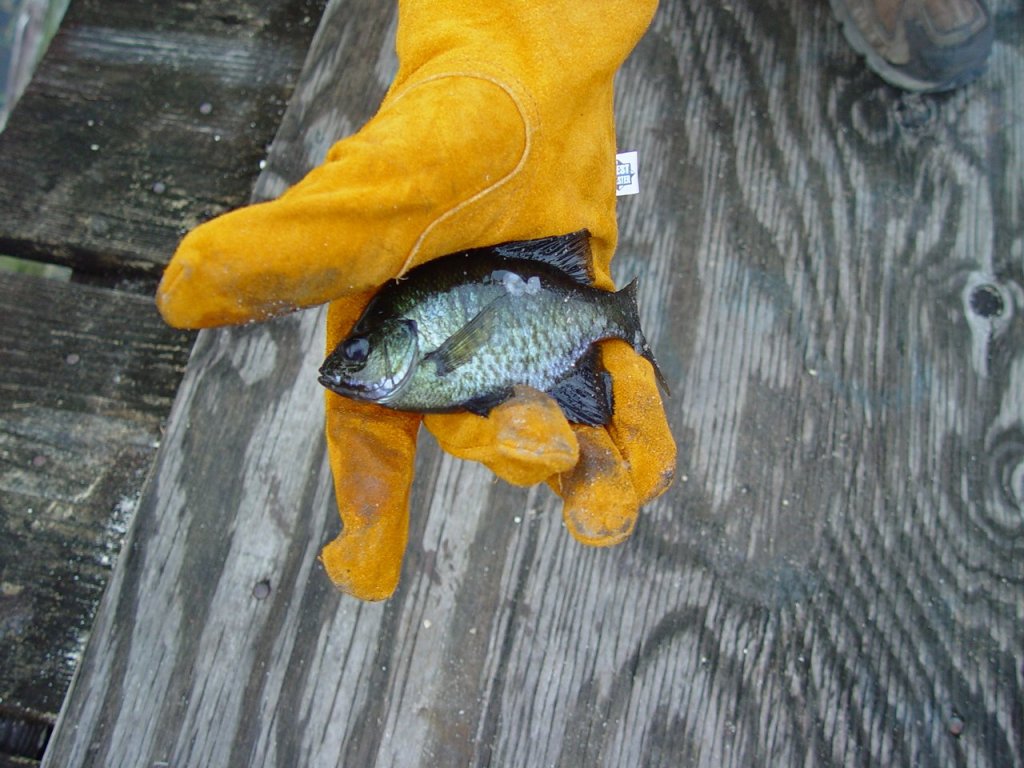
Pesticides contaminate water and end up damaging the fish living in it by mixing with oxygen in the water. These pesticides end up causing many different health problems too.

Ecosystems such as ponds, lakes and forests can be effected by pesticides. Ecotoxology is the study behind pesticides and contaminants getting into natural environments effecting many species. ecotoxologists have informed us on the effects of this chemical to more than one ecosystem.

Fish died beacuse of the effect of pesticide

When pesticides are added to soil, a chemical within the pesticide “insecticide” doesn’t break down. So this chemical is carried out into the water with rain where it effects not only ecosystems but fresh water sources. On the other hand the pesticides remaining in the soil may be touched by animals or they may breath them. Birds also get fooled into thinking it’s food and they end up being poisoned. lastly, plants end up dying too because it may so occur that an unwanted change is happening and the plant gets hurt and dies.

This has a very big impact on our everyday lives too. although it boosts up the agriculture economy it affects us. Pesticides stay in our colon, we may not realize it but they slowly poison our bodies. they may also harm the nervous system, the reproductive system, and the endocrine system. Studies have said that pesticides can cause cancer, Alzheimer’s disease, ADHD and birth defects. Over all pesticides aren’t a part of mother nature, it is a man made chemical. So there is no doubt that whatever happens it is going to change and affect ecosystems.

Humans are responsible for this damage because they are effecting more than 1 ecosystem. Adding unwanted chemicals and destroying many habitats is unnecessary. taking action against this is really important so we must do what we can. Many strategies have been given to us by the government some are: decreasing amount of pesticide use reducing the persistence or mobility of the active ingredients. We can work together to change this issue and make this world a safer place.

sources: https://www.nature.com/scitable/blog/green-science/the_dangers_of_pesticides/

: https://www.safewater.org/fact-sheets-1/2017/1/23/pesticides

: https://toxicsaction.org/issues/pesticides/

Design a site like this with WordPress.com
Get started